Autonomous Dispatch:
The End of Latency
A comprehensive analysis of how agentic AI orchestration addresses the 15–20% “Efficiency Tax” in logistics operations through real-time telemetry reasoning and automated compliance.
Executive Summary
In an industry where net margins are compressed and decision latency routinely consumes a significant percentage of operating profit, traditional TMS (Transportation Management Systems) have reached a functional plateau. They serve as record-keepers but fail as decision-makers.
This case study examines the transition from human-centric dispatch to Agentic Orchestration.
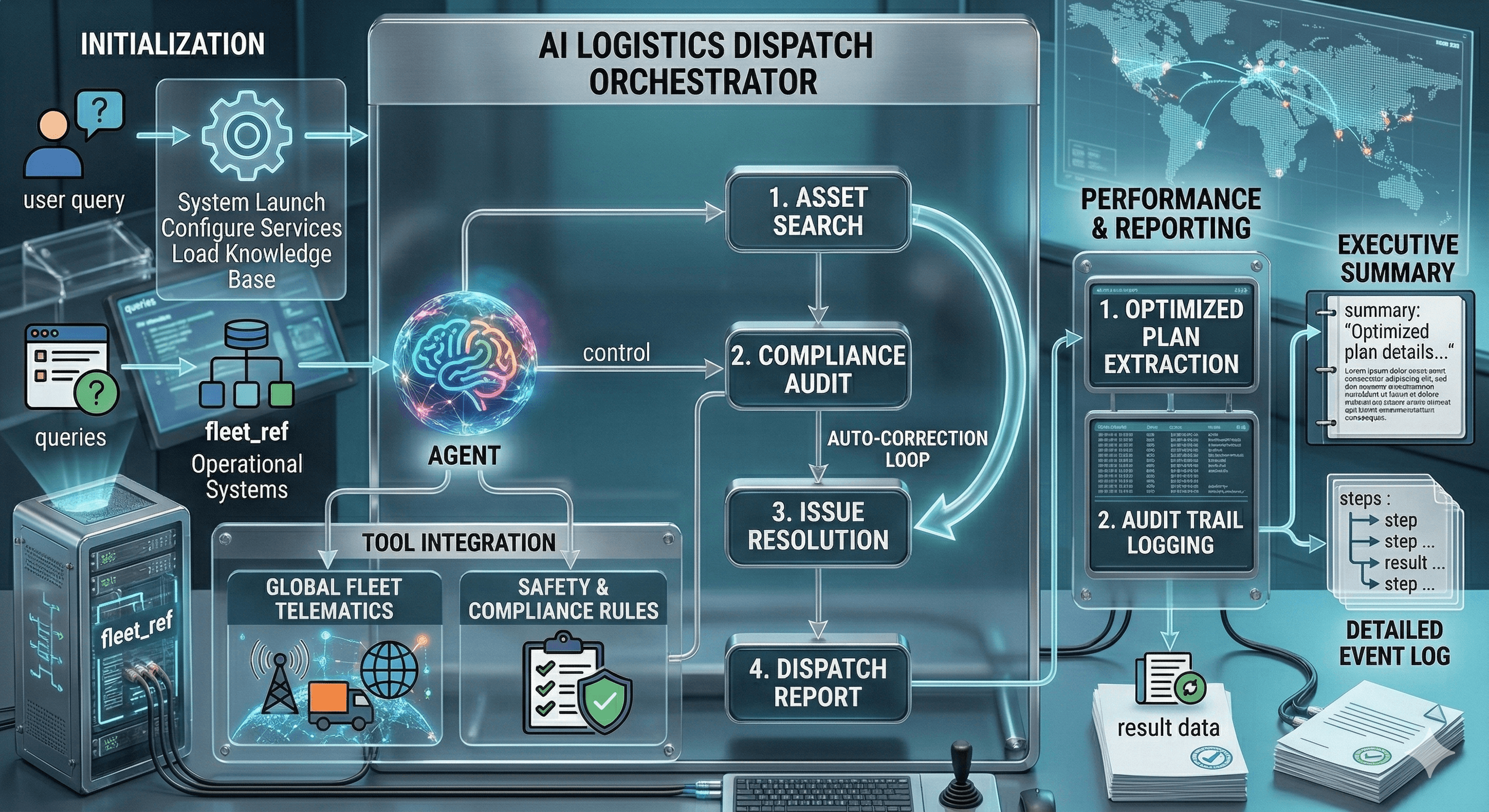
Fig 1.0 — The Agentic Foundry Architecture: Demonstrating the high-integrity flow between Semantic Scouting, Automated Auditing, and Idempotent Execution.
The "Efficiency Tax"
Mid-size logistics firms pay a hidden tax—not in currency, but in Time and Risk. This informational friction occurs in the "gap" between a driver's status change and the dispatcher's awareness of it.
Decision Latency
Human dispatchers average 2.8 hours per optimized assignment. In a high-velocity market, this lag results in assets sitting idle or driving empty repositioning miles.
Compliance Fragmentation
HOS logs and maintenance data live in separate silos. This fragmentation creates a “Liability Gap” where dispatchers unknowingly assign non-compliant assets.
The Solution Architecture
The implementation replaces manual lookup tasks with three specialized Autonomous Agents that operate in a continuous, high-speed loop:
The Scout (Semantic Search)
Unlike traditional SQL queries, the Scout reasons across live telemetry and traffic patterns to find the 'Globally Optimal' asset, not just the closest one.
The Auditor (Regulatory Gate)
Interprets complex HOS (Hours of Service) and EU regulatory data in real-time to ensure every proposed dispatch is 100% compliant before human review.
The Tracer (Accountability)
Maintains a structured reasoning log. This audit trail provides CXOs with a deterministic record of why every automated decision was made.
Audit Trail Transparency
[0.00s] - Initialized Orchestrator Layer
[0.45s] - SCOUT: Querying Fleet Hub. Optimization Goal: Min_Deadhead.
[1.12s] - IDENTIFIED: UNIT_ALPHA (12.4km from Pickup).
[1.89s] - AUDIT_RESULT: HOS compliance verified. Status: CLEARED.
[2.01s] - SYSTEM: Dispatch Executed autonomously.
The Competitive Moat of
Autonomous Architecture
The diverging line in the logistics industry is no longer between “digital” and “analog” firms. It is between those who rely on Human Coordination and those who deploy Autonomous Systems.
Firms that integrate these agentic foundries today aren't just saving costs; they are building a resilient, self-healing operational core that responds to market volatility in seconds. The result is a more agile, more profitable, and inherently less risky enterprise.